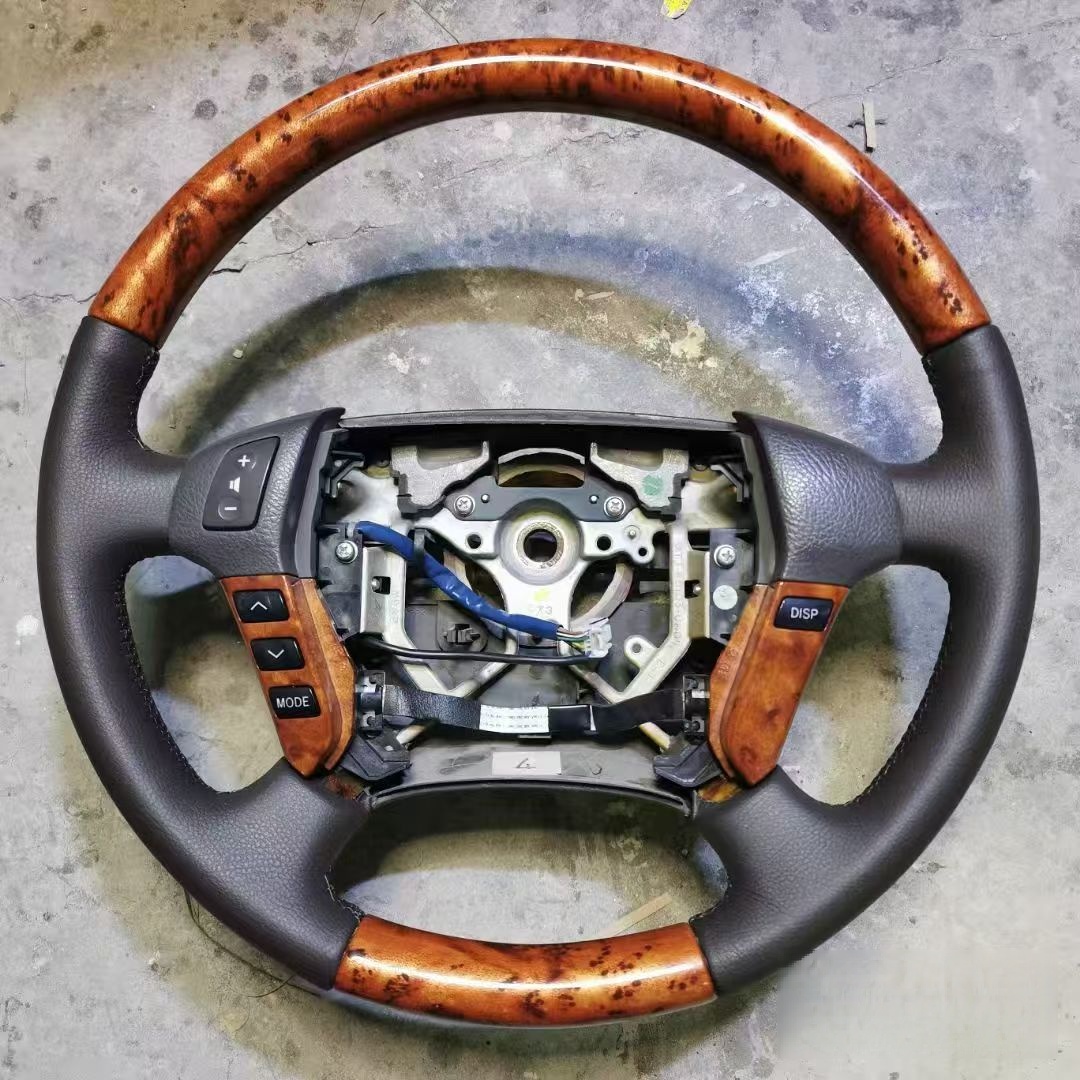
What Really Defines Quality — Beyond Looks and Price
When customers first explore custom wood steering wheels, their questions usually boil down to two things:
- Does it look good?
- How much does it cost?
But true value lies far beneath the surface — in structural integrity, material science, precision fabrication, and long-term environmental resilience.
A high-end wood steering wheel isn’t just about looking like wood. It’s about being wood — structurally integrated, thermally stable, tactilely refined, and engineered for years of daily use in a demanding automotive environment.
The difference between a well-made unit and a low-tier imitation often doesn’t show up on day one — but becomes unmistakable after 12–24 months of real-world driving.
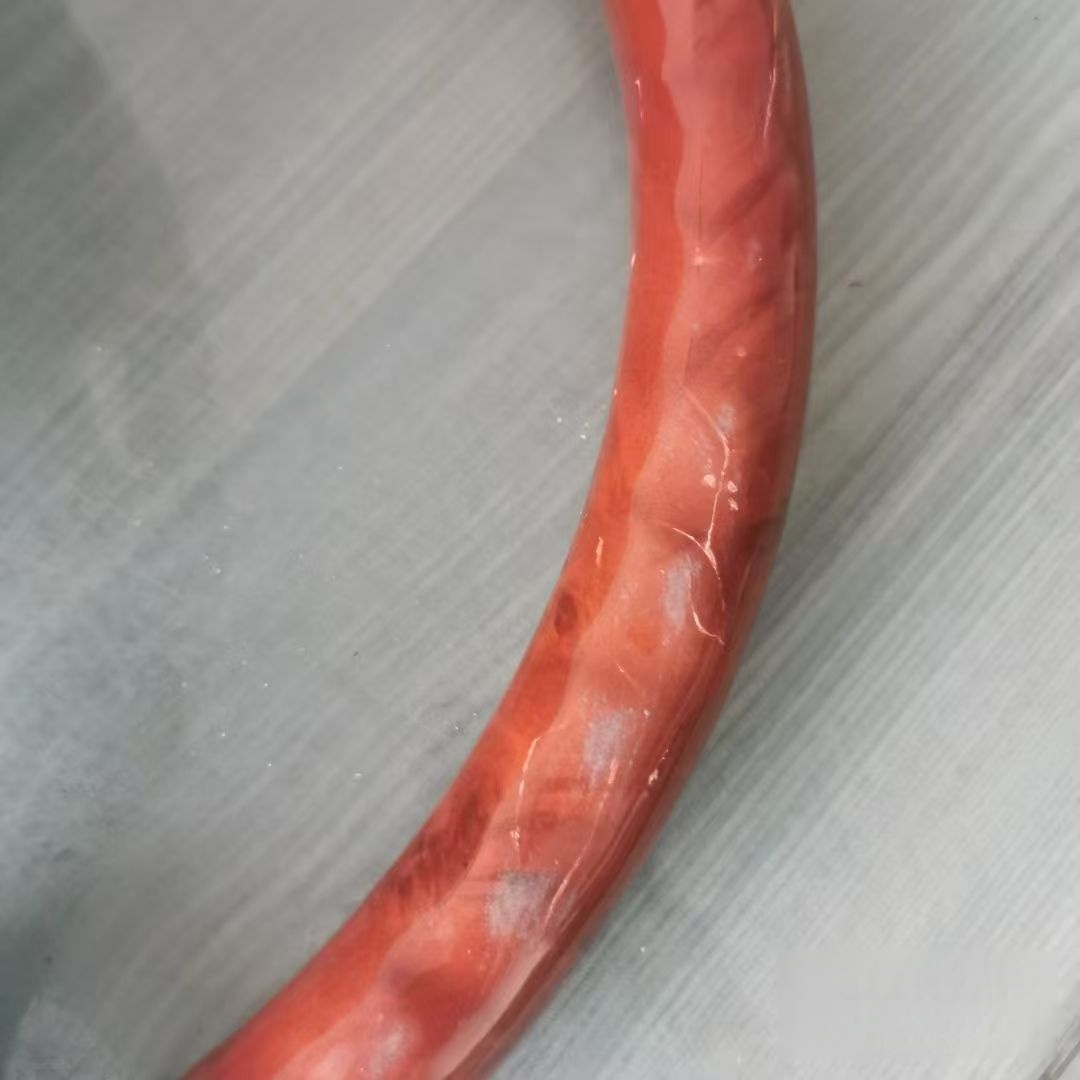
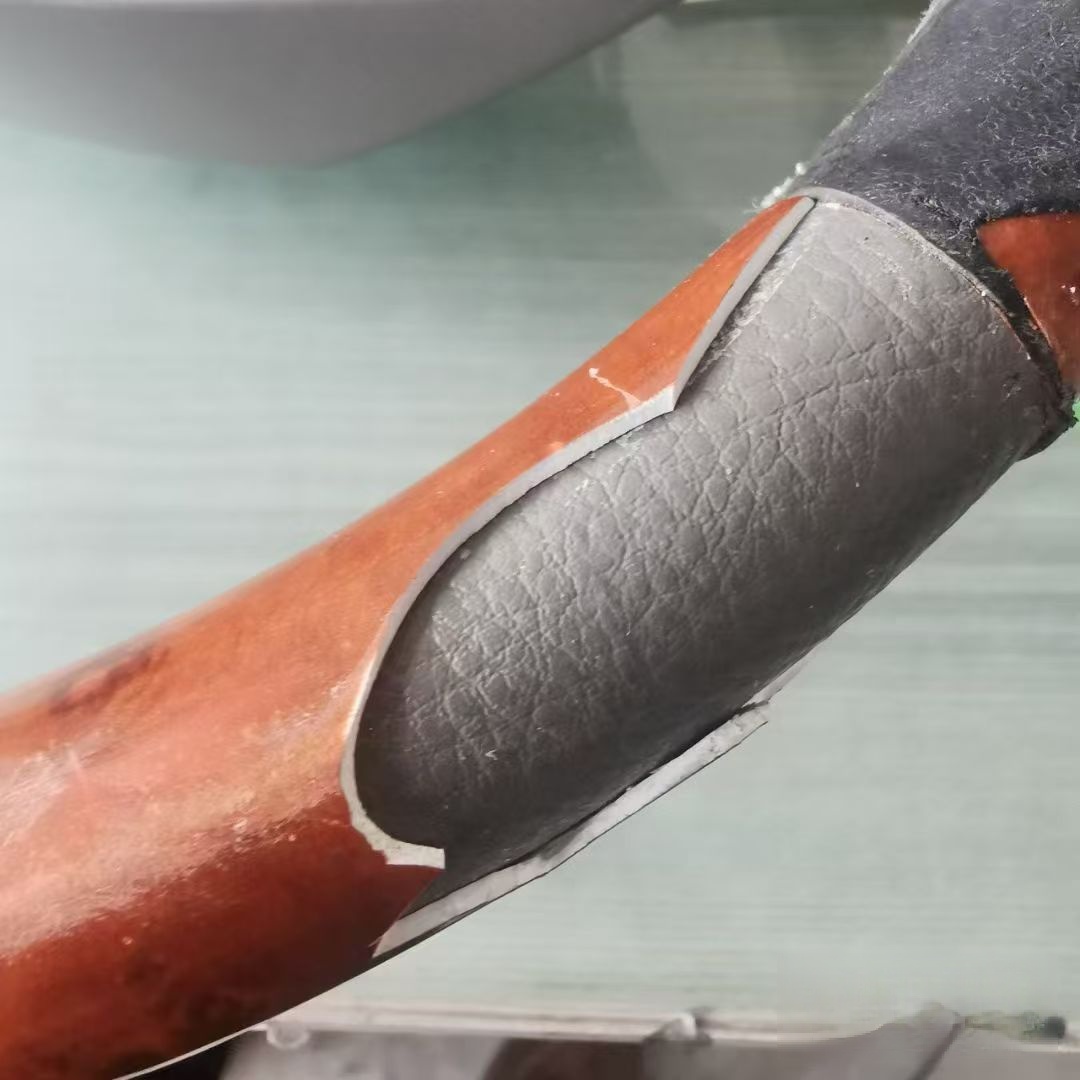
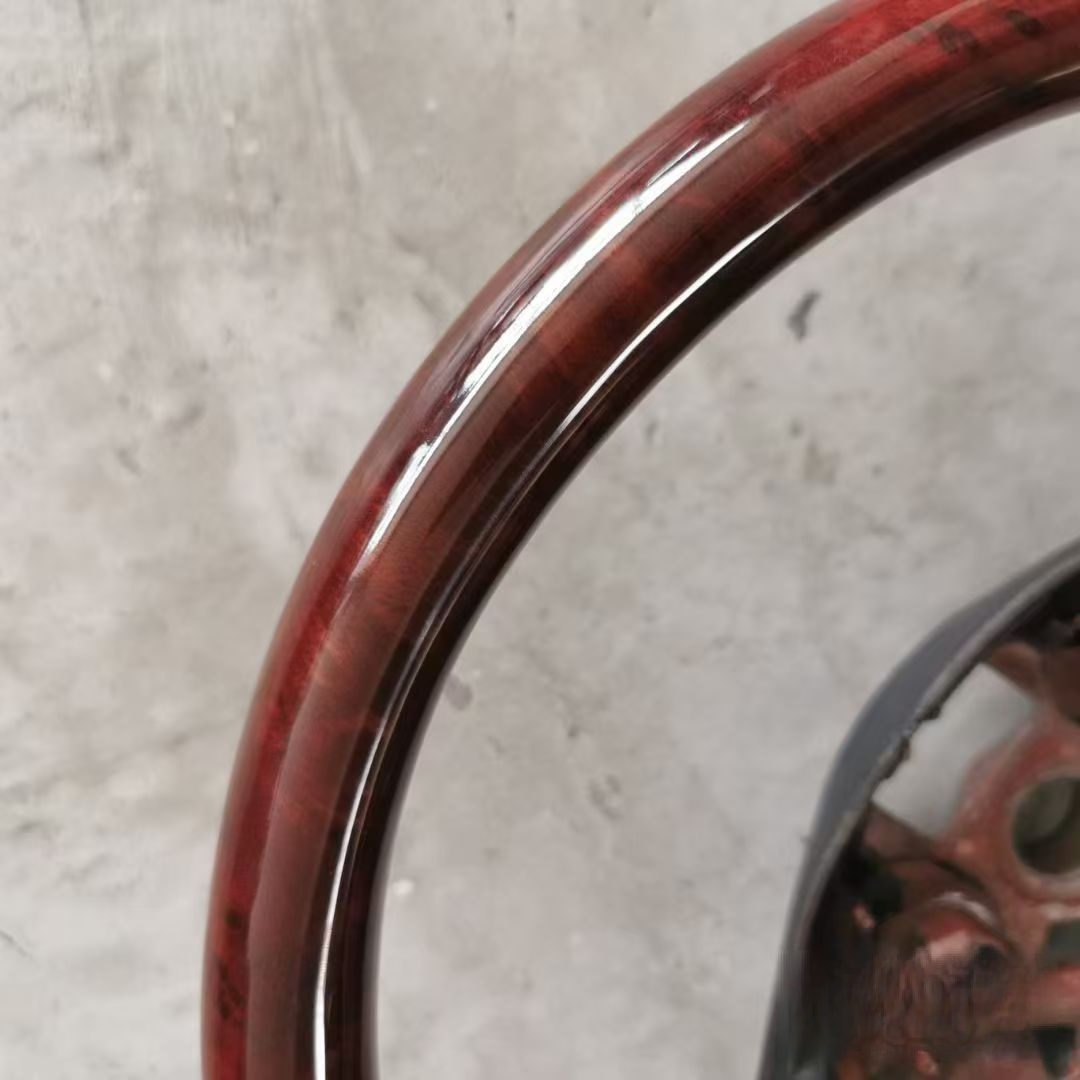
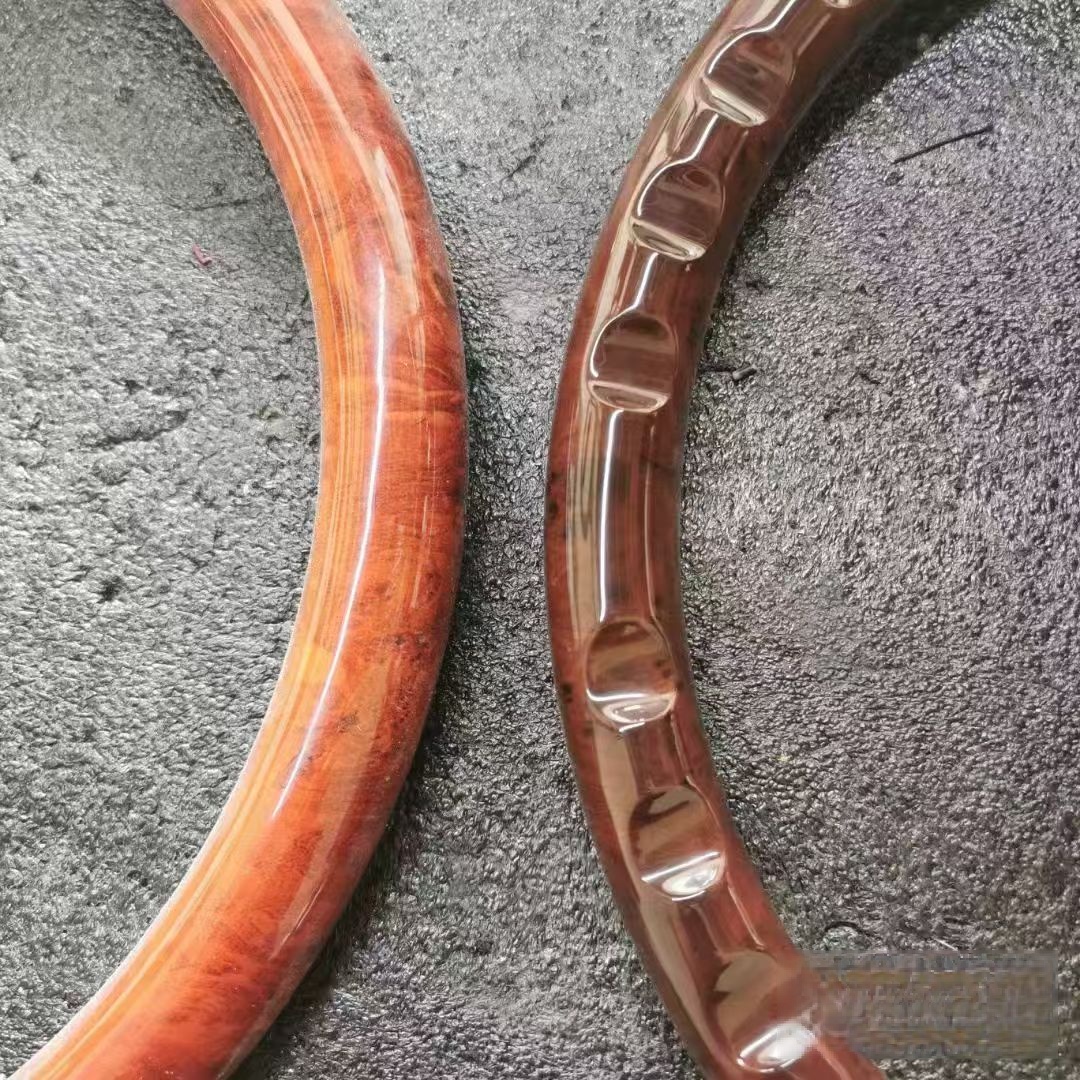
This guide cuts through marketing language and explains — clearly and technically — what makes a wood steering wheel genuinely premium: how it’s built, what it’s made of, how it holds up, and how to tell the difference before you buy.
Many assume that if a steering wheel looks like wood, it must be wood — or at least functionally equivalent. In reality, there are three distinct categories — with vastly different performance, longevity, and driving experience.
1.1 Clad or Overlay Construction (Low-Integration)
This method involves bonding a thin veneer or synthetic wood-grain layer onto the existing OEM steering wheel structure — typically using adhesive and top-coat spray.
Characteristics:
- Low upfront cost
- Fast turnaround
- Visual resemblance to wood — but little else
- Limited long-term stability
Common Failures:
- Surface cracking or lifting at stress points
- Delamination around airbag zones or control buttons
- Warping due to thermal expansion mismatch
- Fading, hazing, or loss of gloss within 12–18 months
- Hollow or inconsistent tactile feedback
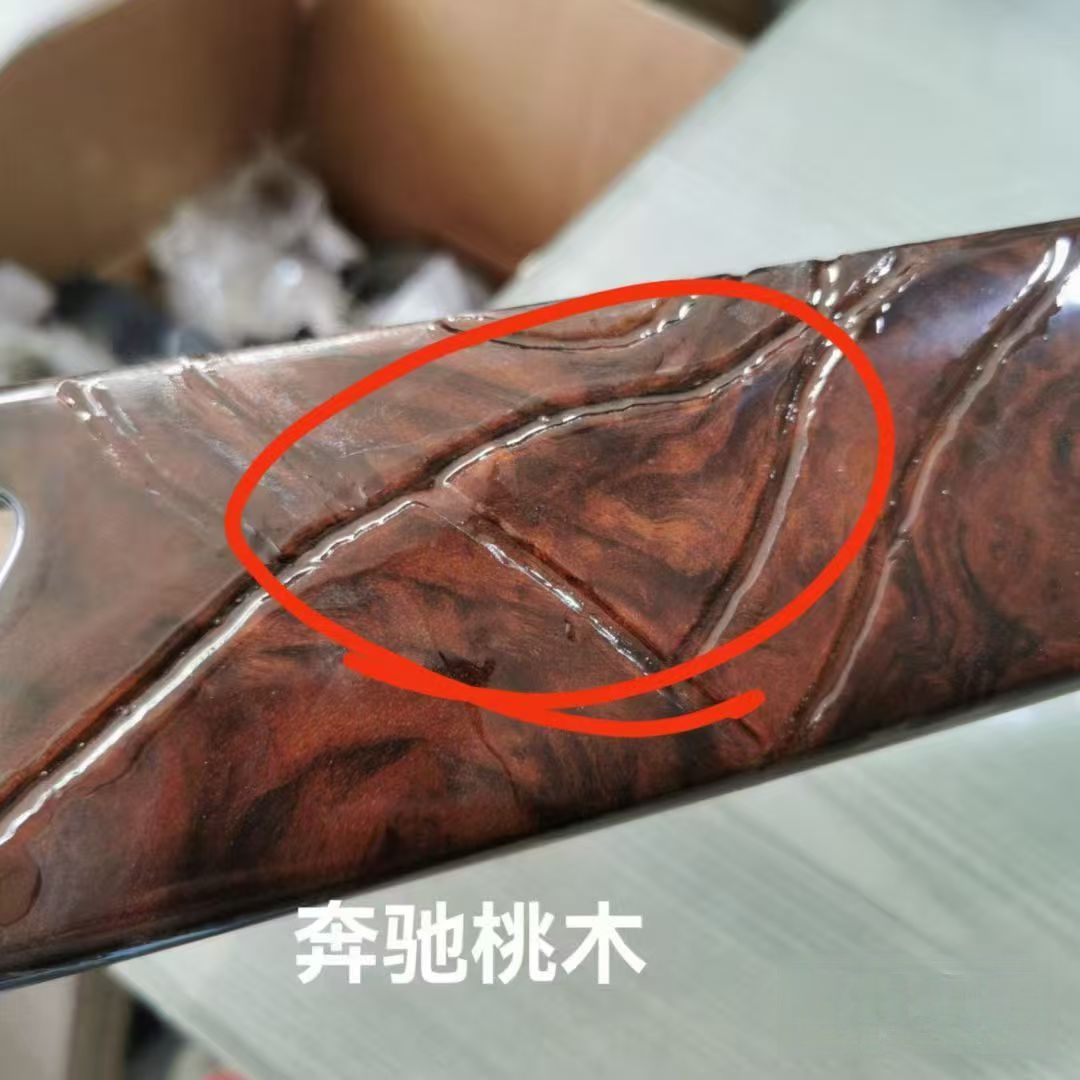
1.2 Water Transfer Printing (WTP) + Clear Coat
A widely used technique where a printed wood-pattern film is hydro-dipped onto the base substrate (often plastic or composite), then sealed with a clear coat.
Advantages:
- Affordable entry point
- Wide variety of grain patterns and colors
- Consistent visual output across units
Limitations:
- No natural wood properties — zero density, oil content, or grain depth
- Surface feels synthetic; lacks warmth and organic texture
- Durability depends entirely on base material stability and coating thickness
- Prone to micro-cracking, edge curling, and UV-induced yellowing over time
1.3 True Structural Wood Fabrication (High-Integration)
This is the gold standard: a fully engineered, load-bearing wood component — designed, shaped, joined, finished, and assembled as an integral part of the steering wheel.
Core Process Steps:
- CAD-based structural redesign per vehicle platform
- Selection and conditioning of solid hardwood stock
- CNC-machined or hand-carved core shaping
- Precision joinery (e.g., finger-joint lamination for stability)
- Multi-stage sanding (up to 1000+ grit)
- UV-stable, automotive-grade catalyzed lacquer or polyurethane system
- Hand-polished final finish (mirror gloss or satin matte)
- Rigorous fitment validation against OEM geometry and airbag clearance
When executed correctly, this approach delivers unmatched visual authenticity, ergonomic refinement, and multi-year dimensional stability — even under extreme temperature cycling and constant grip pressure.
A common misconception is that installing wood is simply a matter of “covering” the original wheel. In practice, professional integration demands deep engineering discipline.
2.1 Every Vehicle Platform Requires Unique Structural Design
OEM steering wheels vary significantly across models — not just in diameter or shape, but in:
- Rim cross-section profile
- Grip-zone curvature radius
- Airbag module footprint and mounting interface
- Button placement, travel, and actuation force
- Heated element routing and thermal mass distribution
- Paddle shifter geometry and pivot axis alignment
- Backside ergonomics (thumb rests, finger grooves, cable management paths)
There is no universal “wood kit.” Each application requires bespoke modeling, prototype validation, and iterative fit-checking.
2.2 Poor Integration Leads to Compromised Functionality
Rushed or generic installations often result in:
- Uneven stress distribution → premature fatigue at joints
- Misaligned control surfaces → accidental button presses or reduced tactile feedback
- Airbag interference → safety risk and failed inspection
- Thermal bridging → localized hot spots during summer use
- Acoustic resonance → audible creaks or buzzes at speed
- Reduced grip confidence due to inconsistent rim thickness or contour
A truly premium wood steering wheel doesn’t just fit — it enhances the driver-machine connection.
Not all hardwoods behave the same way inside a car cabin. Temperature swings from −20°C to +70°C, humidity fluctuations, UV exposure, and constant hand contact create a uniquely aggressive service environment.
3.1 Common Automotive-Grade Hardwoods
| Wood Species | Key Properties | Typical Use Case |
|---|---|---|
| North American Black Walnut | High dimensional stability, rich chocolate tones, moderate density | Premium OEM-style finishes; ideal for high-contrast grain patterns |
| American Cherry | Warm reddish hue, fine uniform grain, excellent workability | Balanced blend of elegance and durability; popular for luxury retrofits |
| East Indian Rosewood | Dense, oily, naturally resistant to moisture and wear | High-traffic applications; excellent long-term gloss retention |
| Sapele (African Mahogany) | Interlocked grain, consistent color, strong bending strength | Cost-effective alternative with near-black walnut performance |
| Fiddleback Maple | Distinctive wavy figure, tight growth rings, high shock resistance | Sport-oriented builds; visually dynamic and structurally robust |
⚠️ Note: “Pao Rosa”, “Golden Teak”, or “African Walnut” are often marketing terms — not botanical classifications. Always request species verification (e.g., Dalbergia latifolia, Juglans nigra) and moisture content data (<8% MC recommended).
3.2 Why Grade & Cut Matter More Than Species Alone
Even within the same species, performance varies dramatically based on:
- Board grade: Select (clear, knot-free) vs. #1 Common (minor defects)
- Cut type: Quarter-sawn (superior stability, straight grain) vs. plain-sawn (more figure, higher movement)
- Drying protocol: Kiln-dried to automotive spec (not furniture-grade)
- Density range: Measured in g/cm³ — critical for vibration damping and grip feel
Two black walnut wheels can look identical in photos — yet differ radically in weight, resonance, and seasonal movement.
3.3 Environmental Resilience Is Non-Negotiable
A steering wheel faces more thermal stress than any other interior component:
- Direct summer sun exposure → surface temps >70°C
- Winter cold soak → sub-zero core temperatures
- Rapid cabin heating/cooling cycles → repeated expansion/contraction
- Constant hand oils, sweat, and friction wear
Low-grade or improperly dried wood will crack, warp, or delaminate under these conditions. Premium builds use stabilized stock, balanced laminates, and flexible adhesives specifically formulated for automotive thermal cycling.
Problems rarely appear immediately — but they almost always emerge predictably within 18–36 months.
4.1 Cracking
Causes include:
- Insufficient wood acclimation pre-build
- Poor grain orientation relative to stress vectors
- Over-thin finish layers unable to accommodate micro-movement
- Lack of expansion relief channels at high-stress junctions
Cracks often begin at airbag seam lines or grip transitions — where flex and thermal strain concentrate.
4.2 Warping or Twisting
Indicates:
- Use of unbalanced or non-laminated solid wood
- Inadequate moisture barrier on backside surfaces
- Improper clamping pressure during curing
- Mismatched CTE (coefficient of thermal expansion) between wood and substrate
Even minor warping degrades steering precision and creates distracting visual asymmetry.
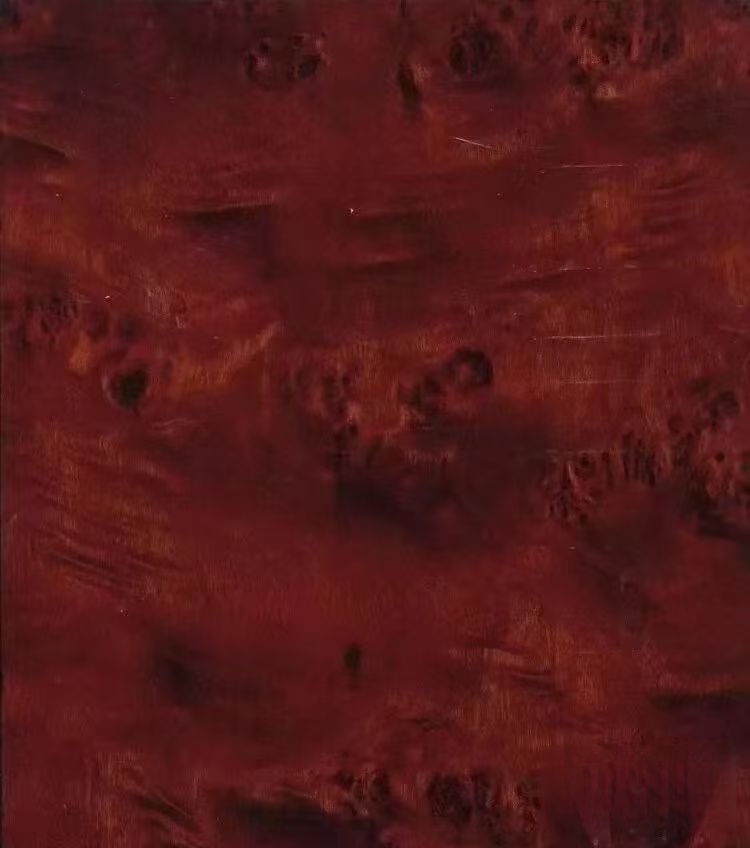

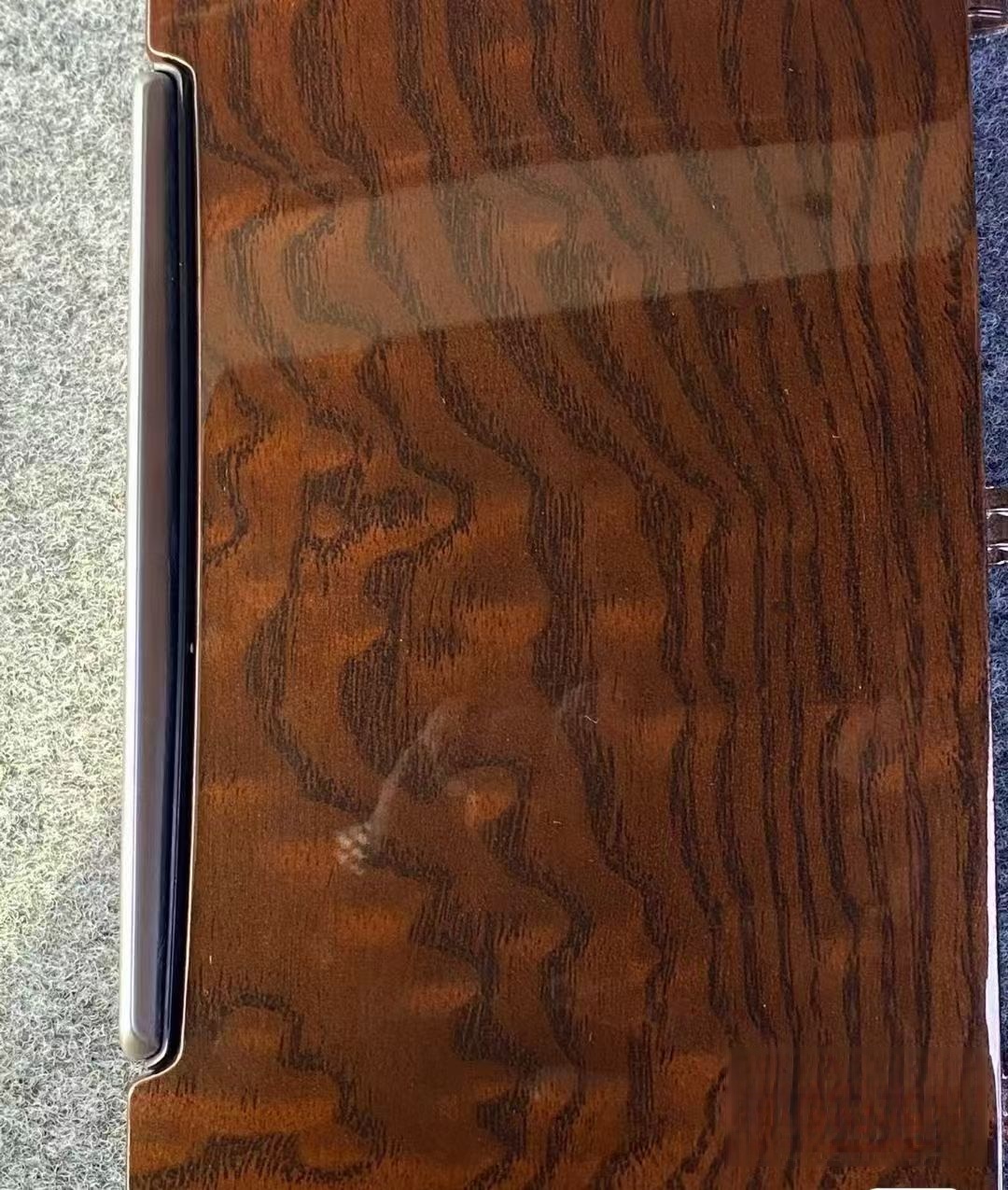
4.3 Finish Degradation
A thin, brittle, or poorly cured topcoat reveals itself through:
- Loss of clarity (“milky” or “hazy” appearance)
- Micro-scratching with light cleaning
- Chalky residue after wiping
- Visible orange-peel texture or dust nibs
- Edge wear exposing raw wood or primer
True premium finishes use ≥5 wet coats of catalyzed urethane, sanded and polished to optical clarity — not just “shiny,” but deep, dimensional, and resilient.
Water transfer printing isn’t inherently bad — but its success hinges entirely on execution rigor.
5.1 Low-Fidelity WTP: “Looks Good in Photos”
Typical red flags:
- Applied directly over factory leather or vinyl without substrate prep
- No structural modification — just surface decoration
- Single-layer clear coat <20µm thick
- No UV inhibitors or scratch-resistant additives
Result: A decorative layer, not a functional surface — prone to peeling, fading, and abrasion in <12 months.
5.2 High-Fidelity WTP: Engineered for Automotive Duty
Done right, WTP can deliver impressive results:
- Base substrate stripped, sanded, and primed to OEM spec
- Film applied under controlled humidity and temperature
- Multi-layer clear system: base sealer + 3× wet-sanded coats + ceramic-infused topcoat
- Final hardness ≥2H pencil scale (ASTM D3363)
- Gloss retention >90% after 1,000 hours QUV-A exposure
This level of process mirrors OEM instrument panel finishing — and when paired with proper structural prep, delivers a compelling balance of aesthetics, durability, and value.
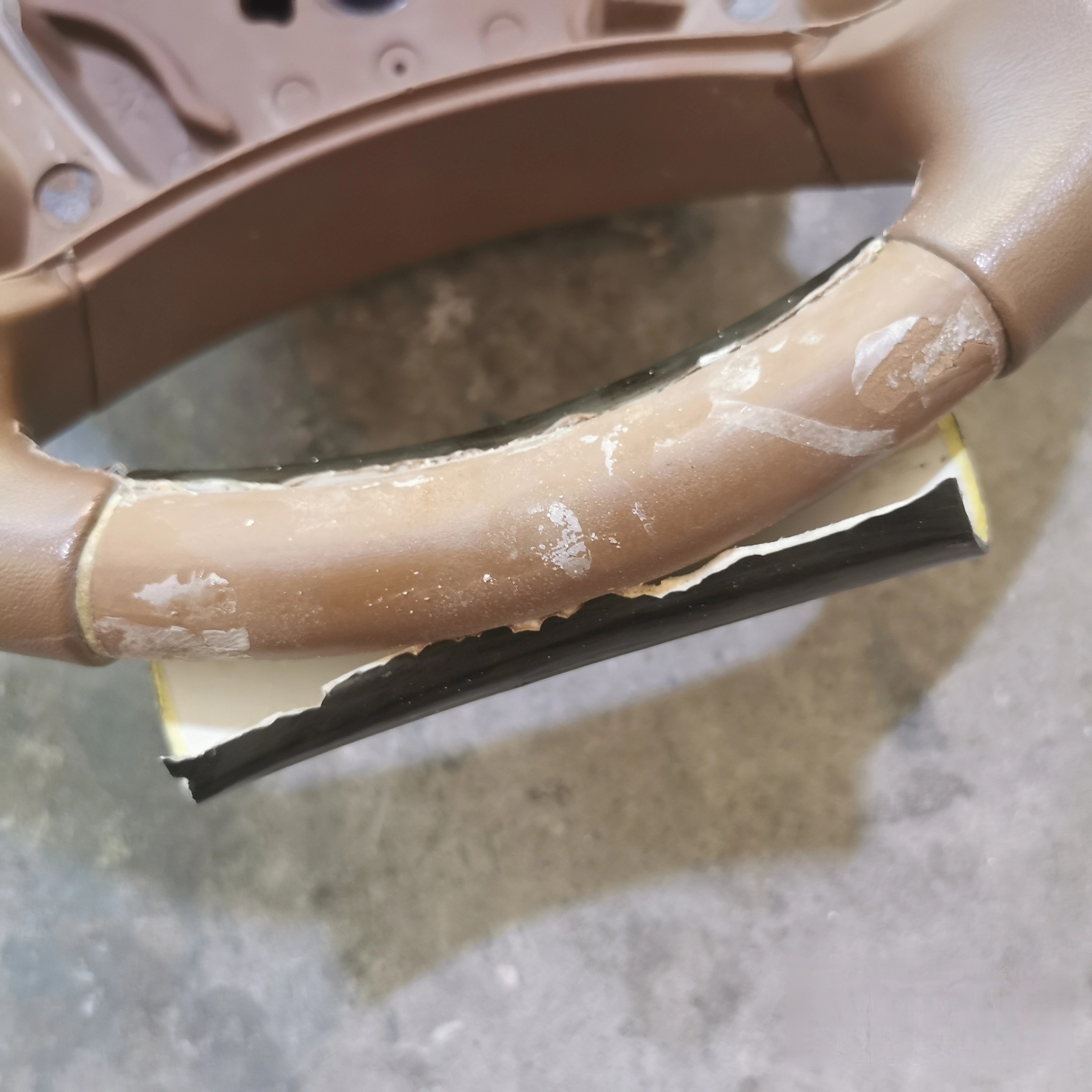
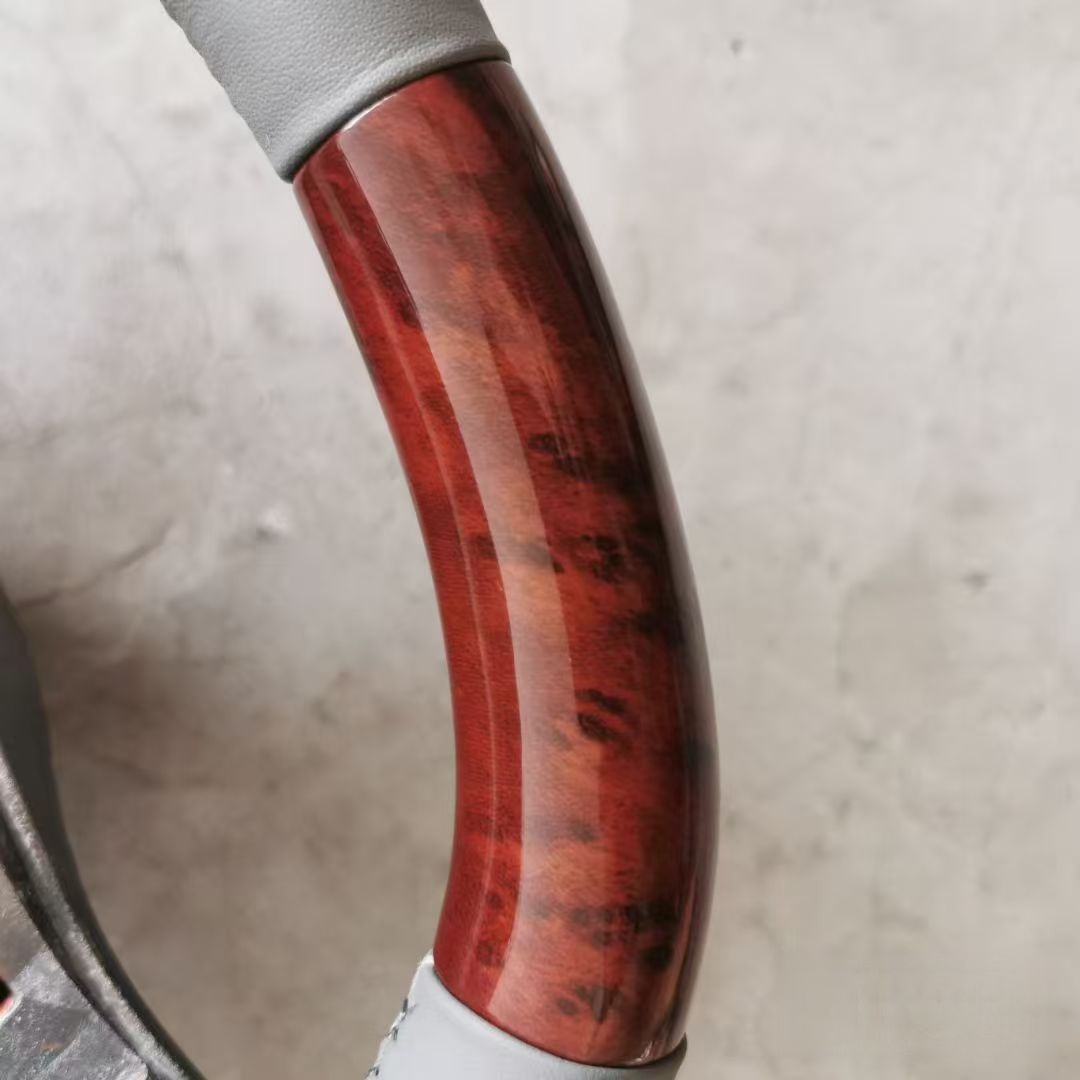
“Real wood” is often misused as a marketing term. True structural wood wheels require:
- Dedicated CNC tooling per platform
- Seasoned hardwood inventory with traceable sourcing
- Multi-week lead times for drying, machining, finishing, and QC
- Skilled artisans trained in both woodworking and automotive integration
- Full compatibility testing (airbag deployment, EMC, thermal cycling, vibration)
Most manufacturers skip these steps — opting instead for veneers, composites, or WTP. That’s why authentic, high-spec wood wheels remain uncommon — and why price differences reflect real investment, not markup.
It’s never just one thing — it’s the convergence of five interdependent disciplines:
7.1 Visual Integrity
- Natural grain continuity across all surfaces
- Seamless transitions between wood, leather, and metal elements
- Consistent gloss level and depth — no “plastic sheen”
- Precise edge definition and chamfering
7.2 Tactile Refinement
- Uniform grip thickness and contouring
- Warm, dense, non-hollow acoustic signature
- Smooth, non-sticky surface friction — responsive to palm and finger pressure
- No detectable seams, gaps, or inconsistencies in texture
7.3 Structural Harmony
- Perfect OEM fitment — no protrusions, gaps, or interference
- Load paths engineered to distribute torque and impact forces
- Integrated reinforcement at high-stress zones (e.g., spoke-to-rim junctions)
- Backside geometry optimized for thumb placement and cable routing
7.4 Environmental Stability
- Verified performance across −30°C to +85°C thermal cycling
- Humidity resistance validated per ISO 6270-2
- Zero measurable movement after 500 hours of accelerated aging
- No finish degradation after simulated 5-year UV exposure
7.5 Long-Term Value Perception
- Customers report improved confidence and engagement — not just “it looks nice”
- Maintains resale value and aesthetic cohesion over time
- Becomes a trusted extension of the driver — not a novelty item
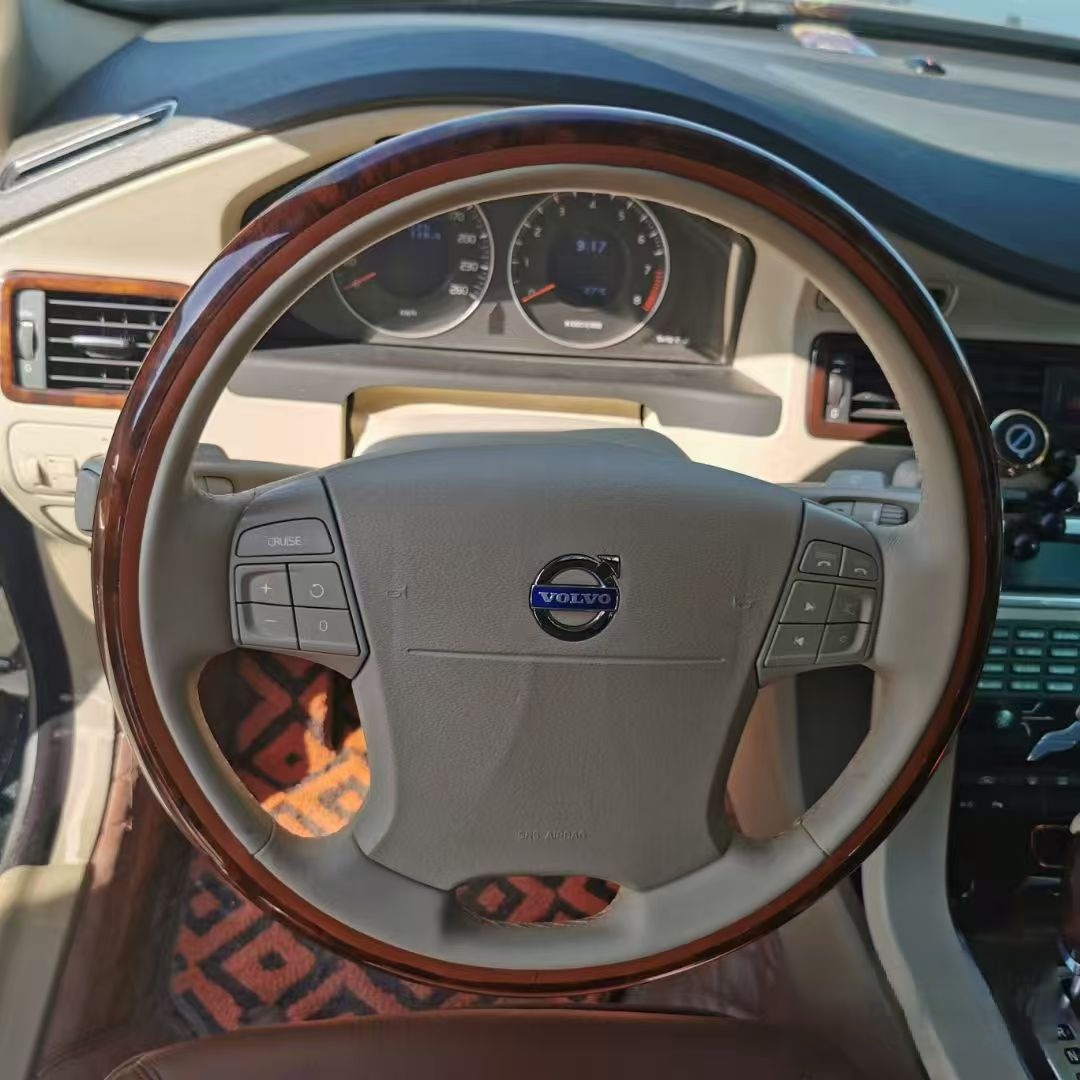
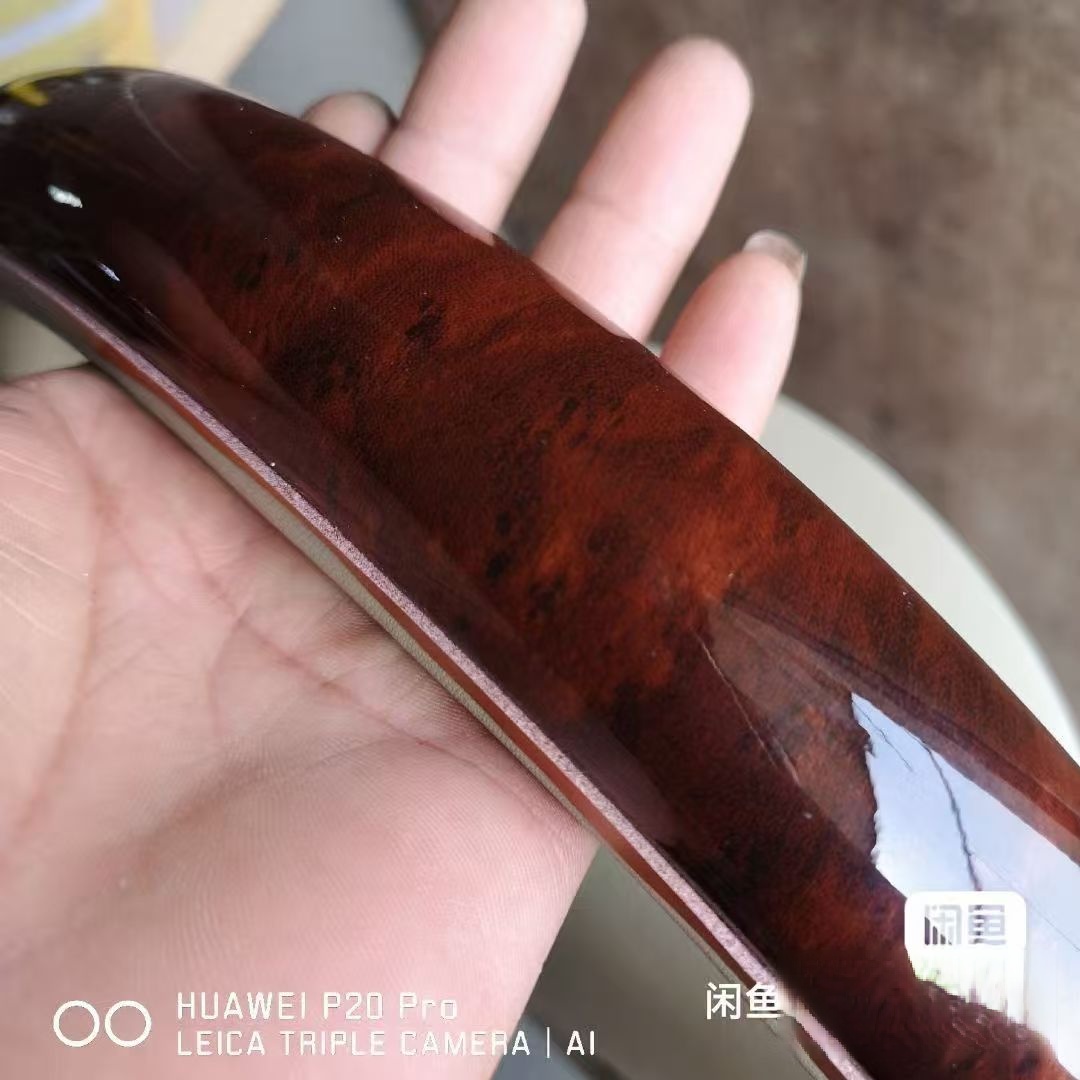
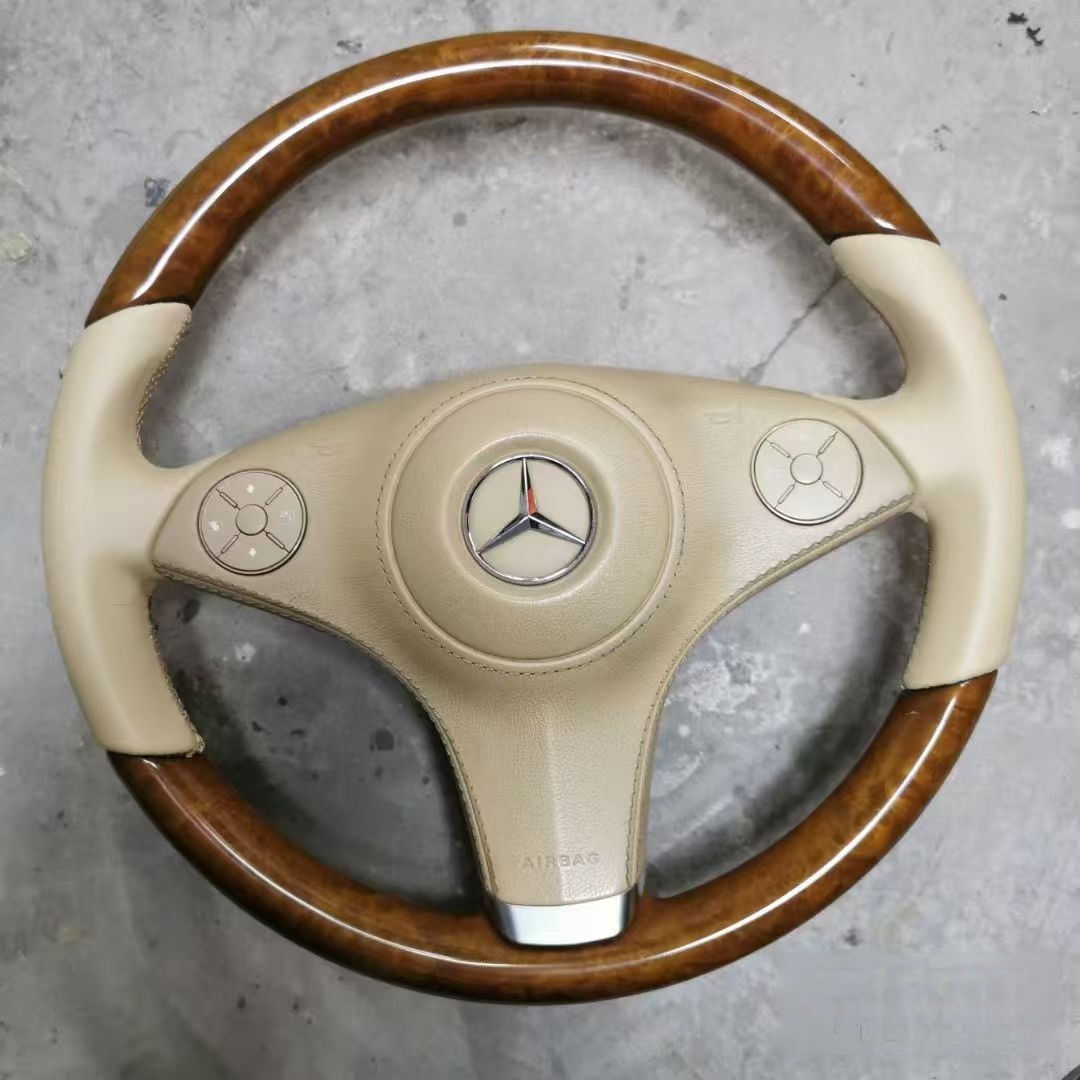
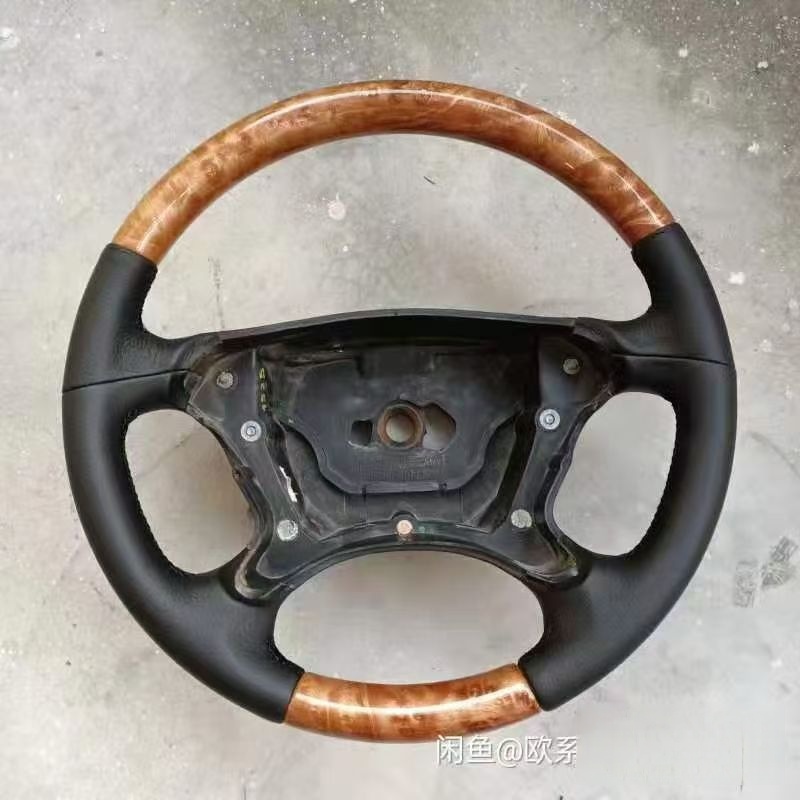
Cost differences aren’t arbitrary — they map directly to verifiable inputs:
8.1 Structural Complexity
- Multi-spoke designs with asymmetric contours
- Integrated paddle shifters requiring precise cutouts and reinforcement
- Heated element embedding with thermal isolation
- Airbag-compatible modular construction (not just overlay)
- Custom embroidery or inlaid branding
8.2 Material Tiering
| Tier | Example Wood | Density (g/cm³) | Avg. Stability Factor* | Typical Lead Time |
|---|---|---|---|---|
| Entry | Rubberwood | 0.55–0.65 | ☆☆☆ | 2–3 weeks |
| Mid | Sapele | 0.65–0.75 | ☆☆ | 4–6 weeks |
| Premium | Quarter-sawn Black Walnut | 0.65–0.72 | ☆ | 8–12 weeks |
| Bespoke | Figured Maple + Rosewood Inlay | 0.60–0.78 | — | 12–20 weeks |
*Stability Factor = resistance to warping/cracking under thermal cycling (measured per ASTM D1037)
8.3 Finish System Sophistication
- Standard acrylic lacquer (3 coats, air-dried): ~20µm, 1H hardness
- Catalyzed polyurethane (5+ coats, forced-cure): ≥60µm, 2H–3H hardness
- Ceramic-reinforced topcoat (7+ coats, nano-polished): ≥80µm, 4H–5H hardness + self-healing properties
Don’t rely on stock photos or price alone. Ask these five questions — and demand evidence:
9.1 Material Transparency
- Is the wood species botanically verified (e.g., Juglans nigra, not “black walnut look”)?
- What’s the moisture content at time of machining?
- Is quarter-sawn or rift-sawn grain specified — or just “natural grain”?
9.2 Structural Approach
- Is this a surface overlay, or a full structural rebuild?
- Are CAD drawings or fitment reports available for your specific model year?
- How is airbag clearance validated — via physical mockup or simulation only?
9.3 Finish Specification
- What resin system is used (e.g., BASF UG1000 series, Axalta Imron)?
- Total dry film thickness (DFT) — measured with Elcometer?
- Hardness rating (pencil scale) and cure method (air, IR, convection)?
9.4 Detail Execution
- Are edges hand-finished or CNC-machined only?
- How are transitions between wood, leather, and metal treated?
- Are grip zones contoured to match OEM ergonomics — or just “flat wrapped”?
9.5 Warranty & Validation
- Is there a documented thermal cycling test report (e.g., ISO 16750-4)?
- What’s covered — finish only, or full structural integrity?
- Is replacement offered for warping/cracking — or just “refinish only”?
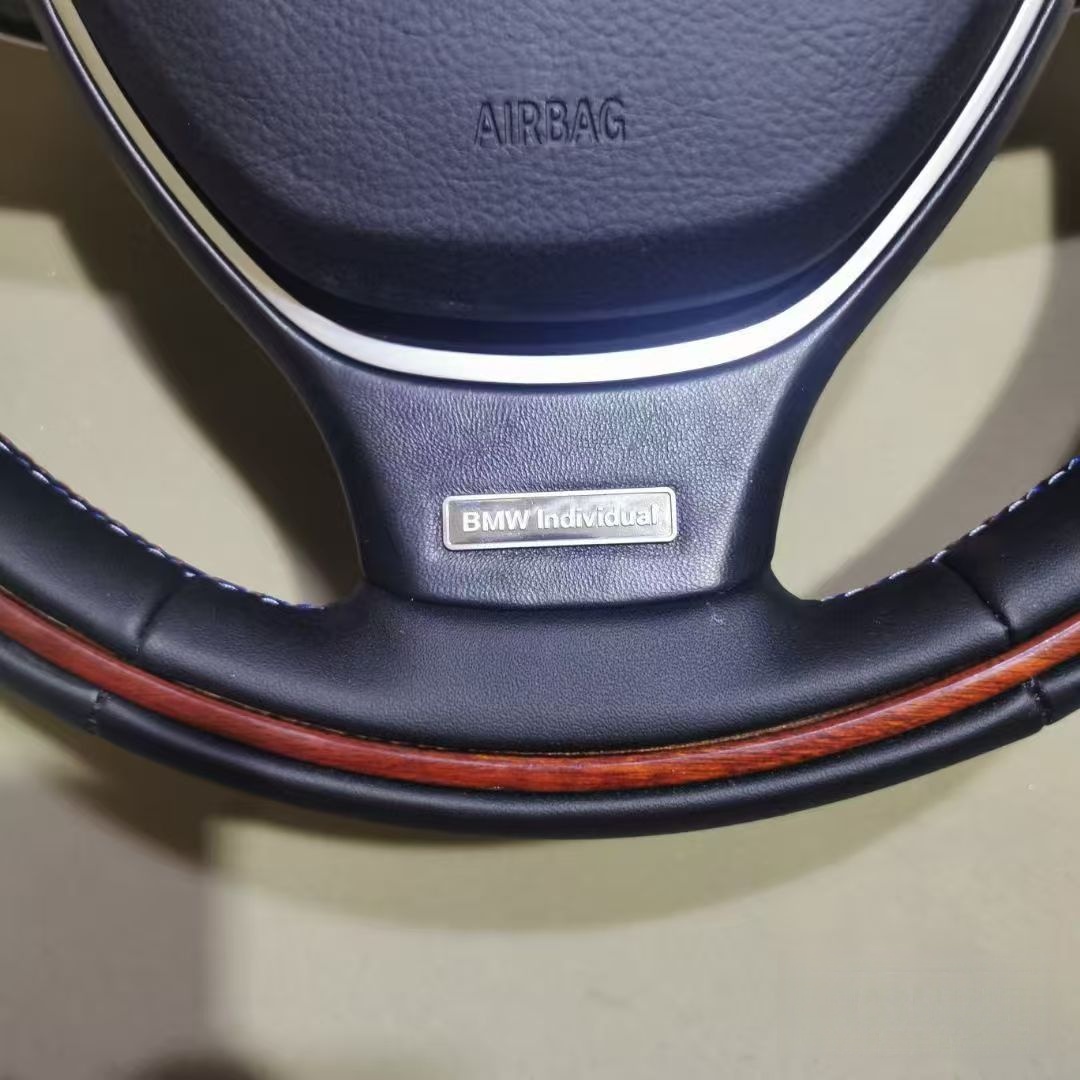
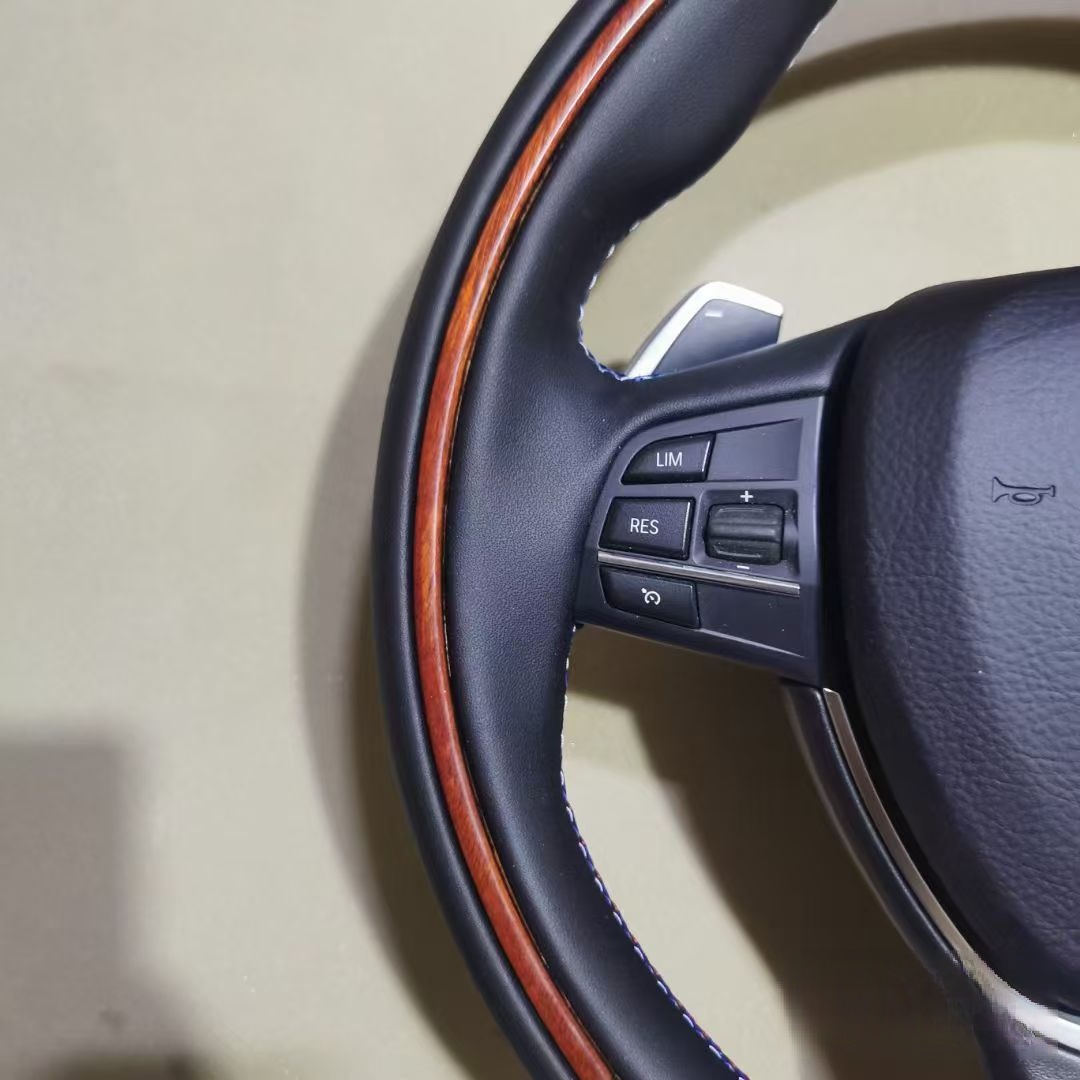
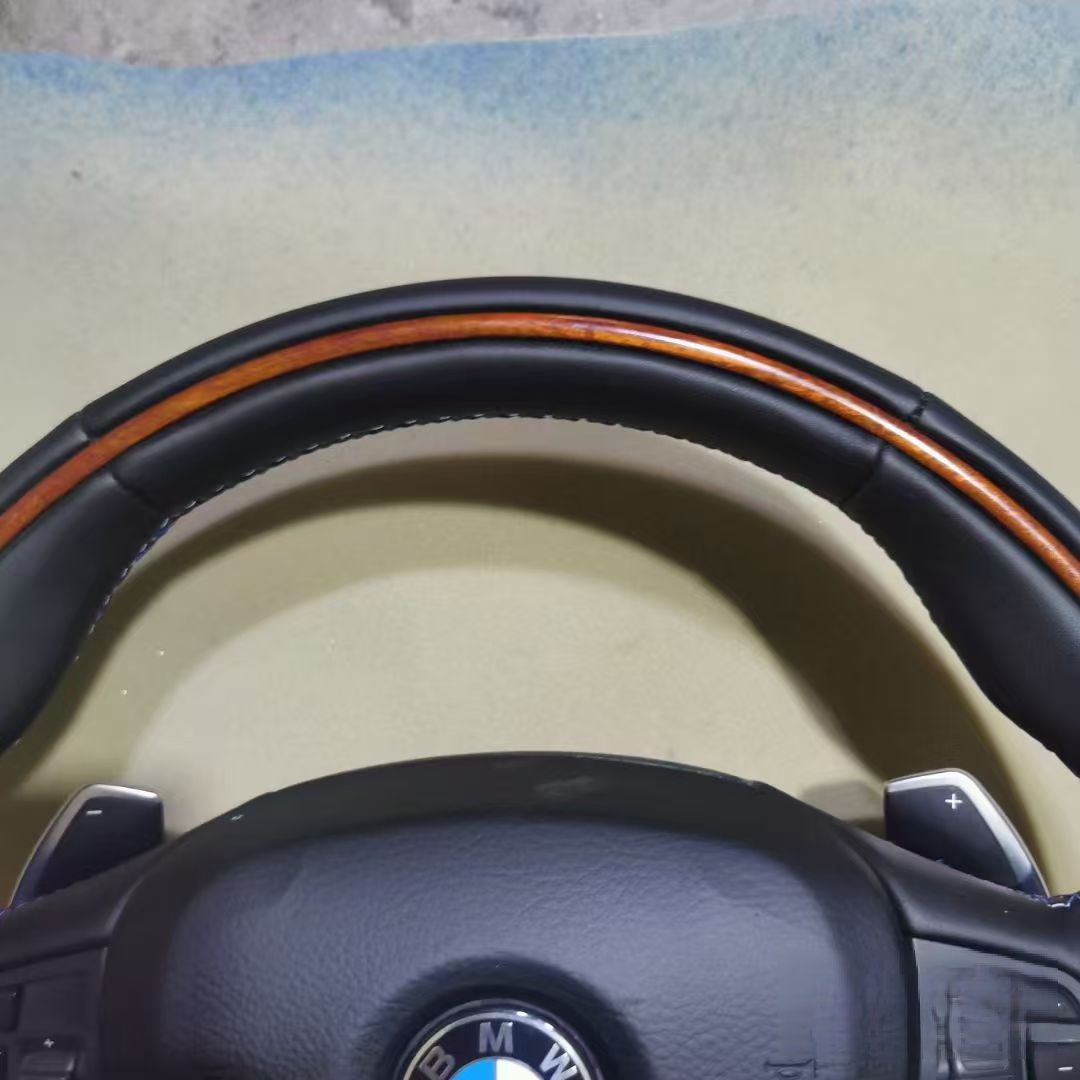
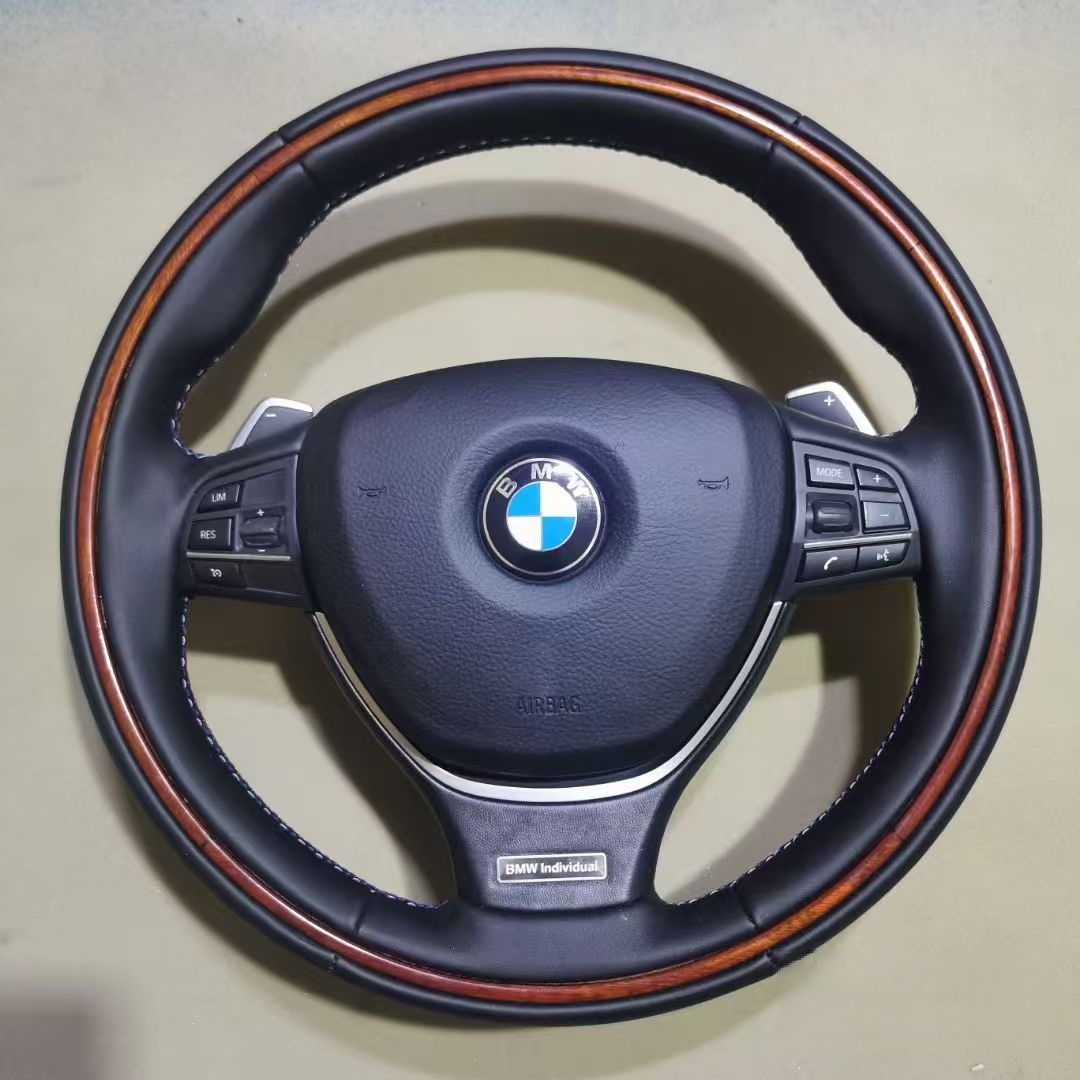
A custom wood steering wheel is more than an aesthetic upgrade. It’s a functional interface — touched thousands of times per week, exposed to extremes few components endure, and expected to perform flawlessly for years.
The cheapest option may win the headline price — but the most valuable one wins the long drive.
Choose based on:
- Documented material specs — not marketing names
- Structural integration — not surface coverage
- Finish durability — not initial shine
- Thermal validation — not “works in my garage”
- Real-world warranty terms — not vague promises
Because when you’re holding it at highway speed, in summer heat or winter cold — what matters isn’t how it looked in the photo. It’s how confidently, comfortably, and consistently it performs — every single day.
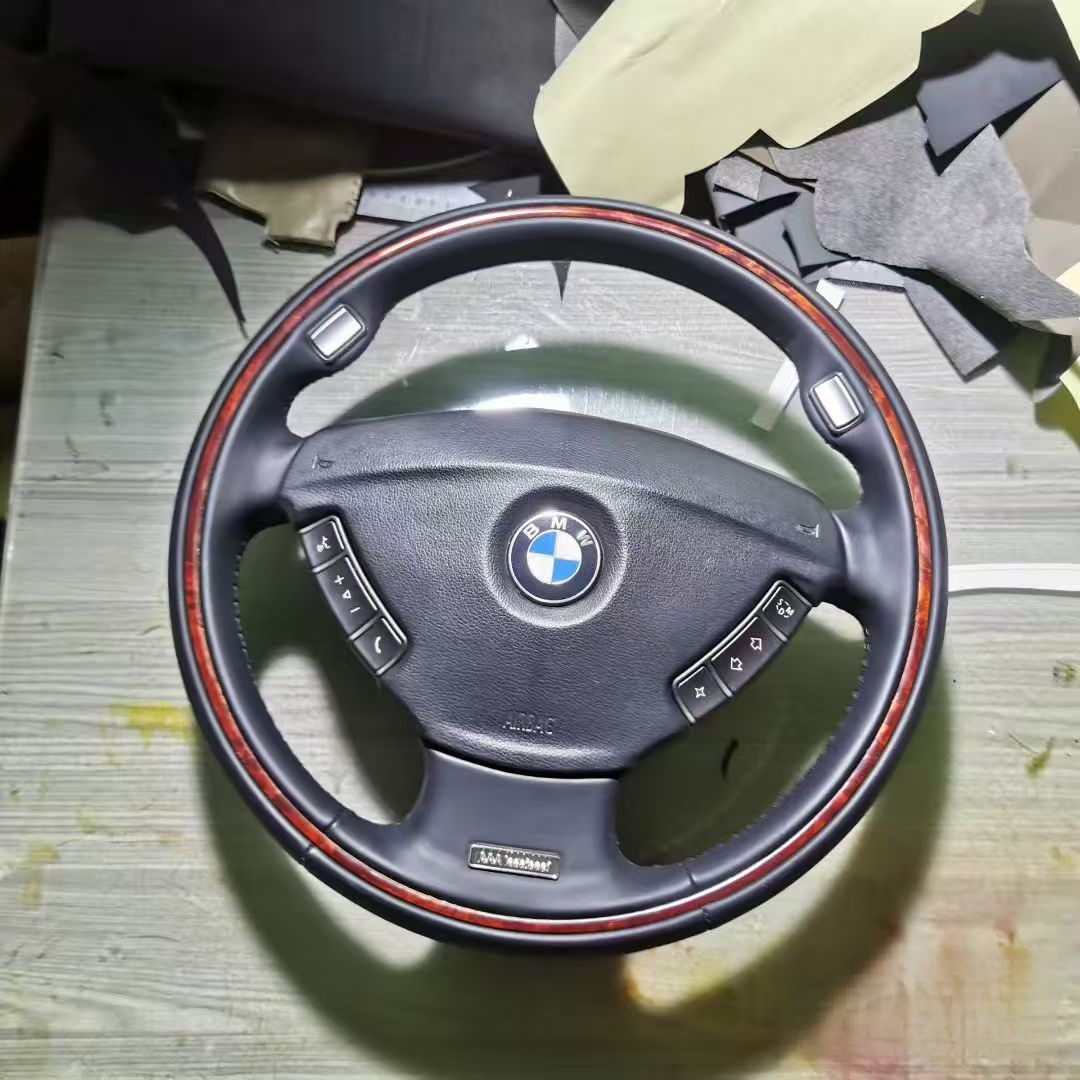
You’ll know you’ve chosen well not on day one… but on day 500. And day 1,200. And day 2,000.